Casalini S.r.l.
Since 1939
Casalini
Founded in Piacenza in 1939 by Giovanni Casalini, Casalini Srl is one of the most iconic and enduring names in Italian micromobility. Originally a manufacturer of industrial machinery and bicycle components, the Emilia-based company has spanned over eighty years of industrial history, becoming a pioneer of minicars in Italy. Its name is inextricably linked to the David three-wheeled van and the Sulky, the three-wheeled vehicle that revolutionized transportation in Italian cities and provinces since the 1970s.
From pasta to two-wheelers: the origins (1939 – 1969)
At the beginning of its operations, Casalini did not build motor vehicles. Production focused on molds for minting buttons on pasta machines, dough mixers, and the processing of light metalwork, particularly bicycle frames and forks.
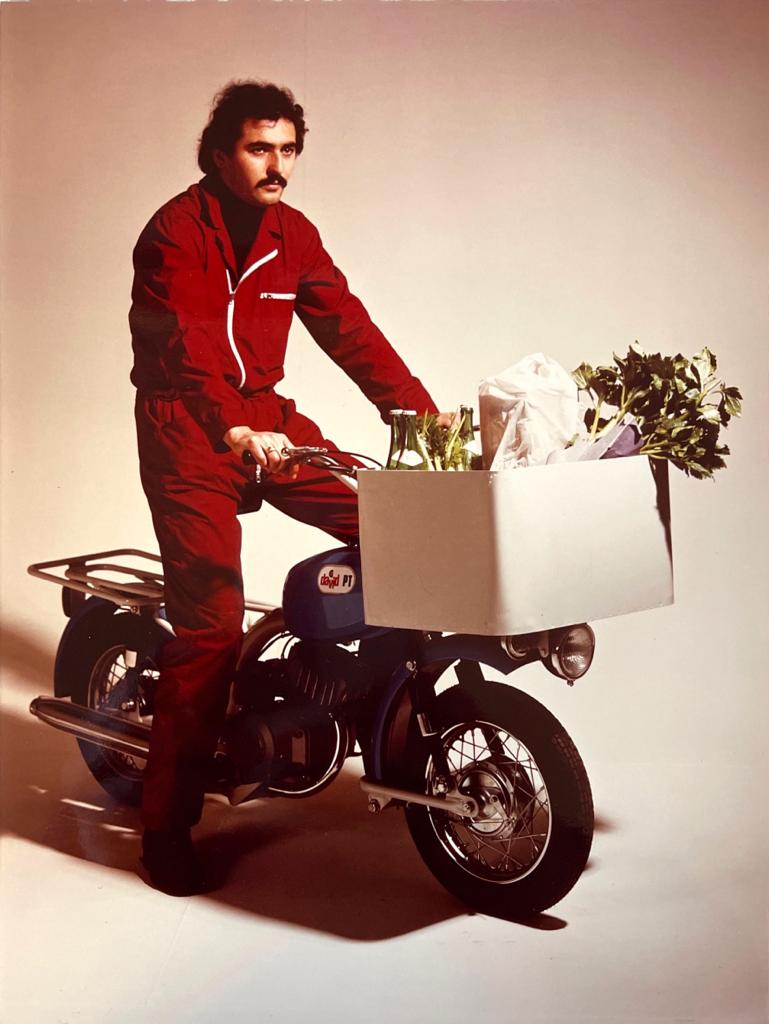
After World War II, driven by the boom in mass motorization and the need for affordable transportation, the company restructured its operations. The 1950s saw the debut of the David, a 50cc scooter that marked the brand’s official entry into the world of motoring. From that first chassis emerged a series of work trucks and motorcycles designed for light freight transport, ideal for artisans, farmers, and small traders. In the 1960s, the company continued to produce “regular” touring mopeds, laying the mechanical foundation and industrial expertise for the insight that would forever change its destiny.
La rivoluzione del Sulky
The Sulky Revolution: The Phenomenon of the 1970s and 1980s.
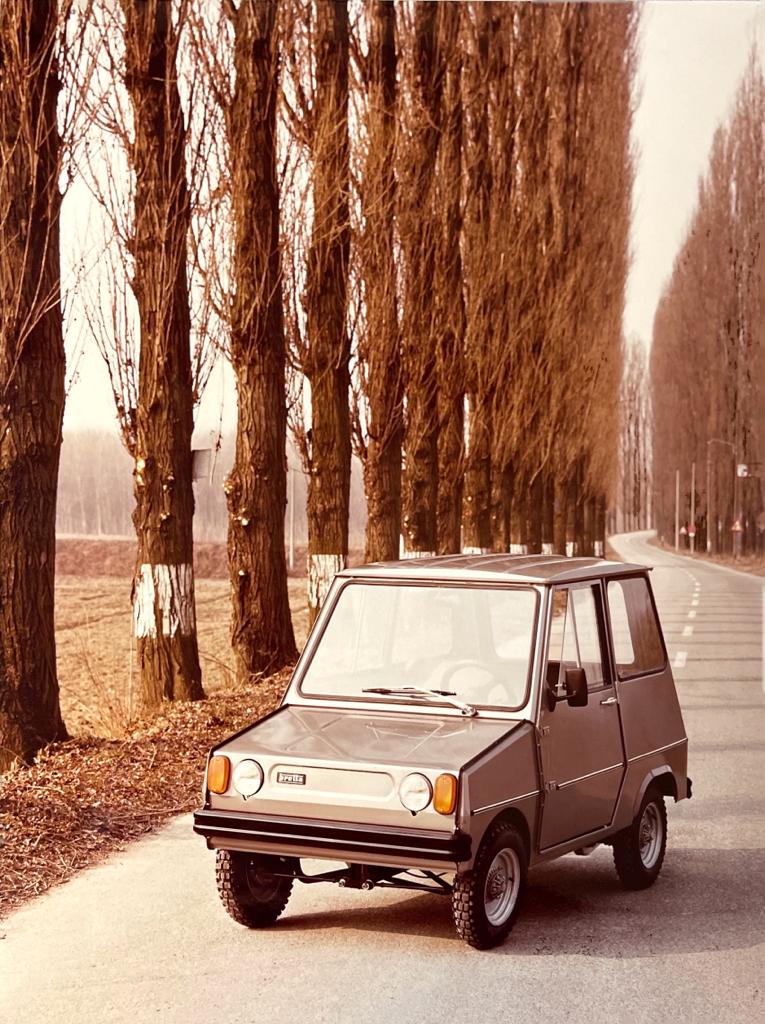
In 1970, the Casalini Sulky appeared on Italian roads, effectively inventing the category of license-free microcars. Its name was derived from the “sulky,” the lightweight two-wheeled gig pulled by a horse in trotting races.
The Sulky was a small tricycle just 2.4 meters long, accommodating two people and featuring a closed body integrated with a tubular steel frame. Its technical features ensured its immediate success:
• simple and efficient mechanics, with a 50 cc Minarelli P3 (later P4) two-stroke engine on the rear axle and manual transmission;
• low fuel consumption: it could travel approximately 50 km on just one liter of a 4% gasoline-oil mixture.
• solutions derived from the Ape 50: since the second series, Casalini adopted a mechanical platform inspired by that of the Piaggio Ape, sharing the engine, transmission components, differential, and hydraulic braking system acting on all three wheels.
The key to its social impact lay in the regulations of the time: the first series of the Sulky did not require a license plate or driving license and could be driven from age 14. The vehicle became the perfect solution for fourteen-year-olds seeking independence, for seniors living in small towns, and for anyone seeking shelter from the elements compared to a traditional moped or Vespa. The Sulky became so popular that it became a pop icon of Italian comedy of the time, appearing in famous films starring actors such as Lino Banfi and Renato Pozzetto.